
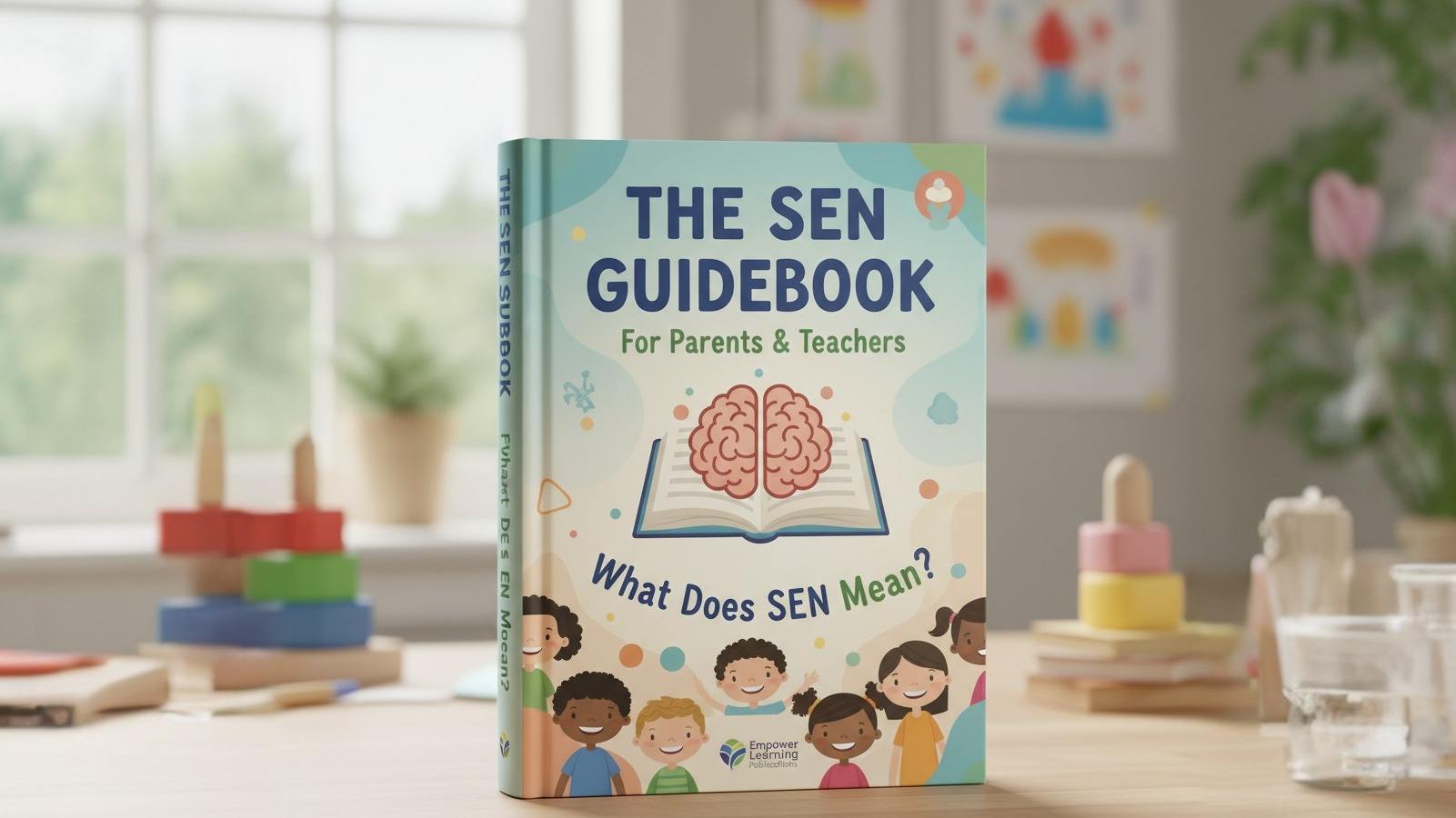
When you hear terms used in school, like IEP, EAL, or SEN, it’s easy to feel lost. For parents, understanding the language schools use is the first step in supporting your child’s language learning. For teachers, clear communication is essential. Let’s break down the basics of this important topic.
At its core, the SEN meaning refers to children who need additional support to access learning and make progress in school. They’re the children whose learning challenges exceed those of the majority of children of the same age. It’s about ensuring that every child has what they need to succeed, even if those needs differ from those of their peers. This helps ensure they can participate fully in education.
Knowing what SEN means helps families and schools work together more effectively from the outset. If a child is struggling, identifying the specific need as soon as possible allows for the right support strategies to be put in place. This partnership is vital for the child’s success. It moves the conversation from simply stating a problem to creating an actionable plan.
What Does SEN Stand For – and How Is It Identified?
So, what exactly is this term? The SEN abbreviation stands for Special Educational Needs. This term is used constantly in official school records, government policies, and the crucial support plans developed for children. It’s a formal way of labeling the requirement for specialized intervention.
The identification pathway is a structured process, not a sudden decision. It usually begins with the people who know the child best: the teachers:
- Teacher Observations. A teacher notices a consistent pattern of difficulty. For example, a child might always struggle to follow multi-step directions. Or they may find it impossible to sit still for more than a few minutes.
- Screening and Assessments. The school’s Special Educational Needs Coordinator (SENCO) or a specialist conducts basic screening. These checks examine specific skills, such as reading fluency or fine motor control, to pinpoint where the gap lies.
- Multi-Disciplinary Input. If the difficulty is significant, outside professionals might get involved. This could be a speech-language therapist, an educational psychologist, or a pediatrician. They provide a more comprehensive diagnosis and recommend targeted strategies.
- Written Plan. All of this evidence leads to a formal, written plan (often called a ‘Support Plan’ or similar document). This plan details the child’s needs and the specific help they will receive.
It is essential to stress that this is based on evidence and ongoing review, rather than a one-time, permanent label. Support is constantly monitored to ensure it is functioning properly. The goal of identifying what SEN stands for is to create a framework for dynamic support, rather than defining the child permanently.
Levels of Support and Typical Classroom Adjustments
Support for children with SEN is usually organized into tiers. This ensures resources match the level of need:
- Universal (Quality First Teaching). Effective teaching practices that benefit all children. It includes clear instructions and a variety of teaching methods.
- Targeted. Small-group interventions for a few children with similar needs. This might be a short-term reading program or social skills group.
- Individualized. One-to-one support or highly customized adjustments tailored to a child’s specific profile and their SEN meaning (Special Educational Needs).
Common classroom adjustments are often simple but highly effective. They allow the child to focus and access the lesson material:
- Using visual timetables and checklists to make the day predictable.
- Chunked instructions – breaking down tasks into smaller, manageable steps.
- Providing sensory breaks or allowing movement during lessons.
- Offering alternative seating options, such as a wobble cushion or a quiet corner.
- Access to assistive technology, such as text-to-speech software.
Progress tracking is key. This involves setting SMART goals (Specific, Measurable, Achievable, Relevant, Time-bound). Regular meetings with parents ensure everyone is on the same page. Supports are always adapted based on whether the child is meeting their goals.
Working Together: Parents, Teachers, and Specialists
Supporting a child with SEN is a team effort. This team must work together seamlessly to ensure consistency between the home and school environments.
The core team typically includes:
- Parents. They hold the most comprehensive knowledge of the child’s history and personality.
- Classroom Teacher. They implement daily adjustments and track immediate progress.
- SENCO/Learning Support. The school’s specialist who manages the overall support provision.
- Therapists and Specialists. They provide expert input and specific intervention sessions.
Effective communication rhythms are crucial. This might involve a home-school notebook, monthly check-in calls, or shared digital files. Everyone must use shared strategies across all settings to reinforce learning and support student achievement.
Parents need to know their rights. You have the right to request formal assessments if you feel your child’s needs are not being met. You also have the right to review the support plans on a regular basis. Understanding how SEN abbreviation services are documented is important for keeping track of your child’s legal entitlements. Being informed ensures your child gets the robust, documented support they deserve throughout their educational journey.
Leave A Comment